Families living outside Poland are often told the child "will pick it up anyway". The truth is different: a home language survives when it is attached to something pleasant — a story, a joke, a shared evening.
Don't test, tell stories
Questions like "how do you say that in Polish?" quickly turn conversation into an exam. Describe, comment, narrate instead — children absorb language in context, not in quizzes.
The book as a bridge
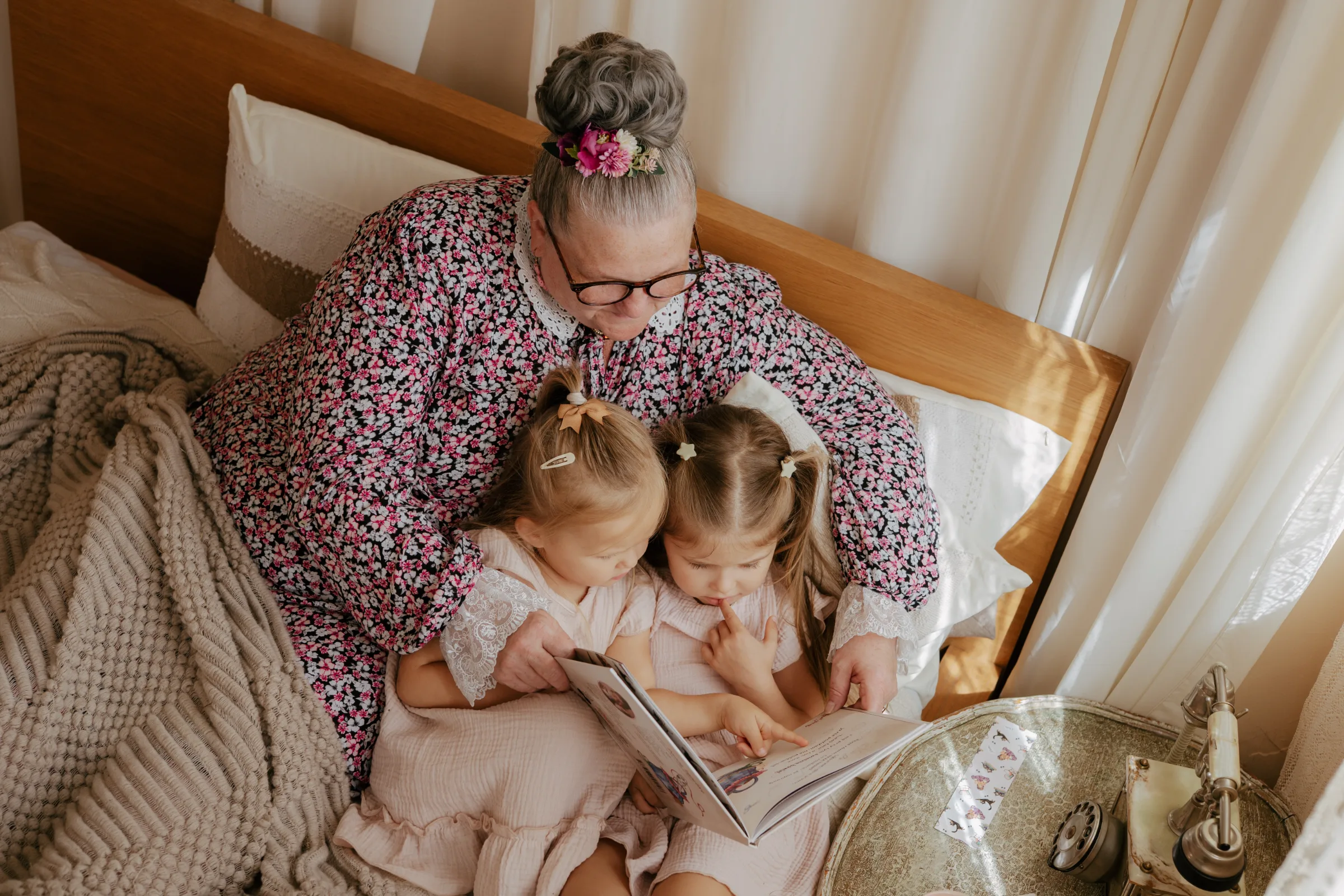
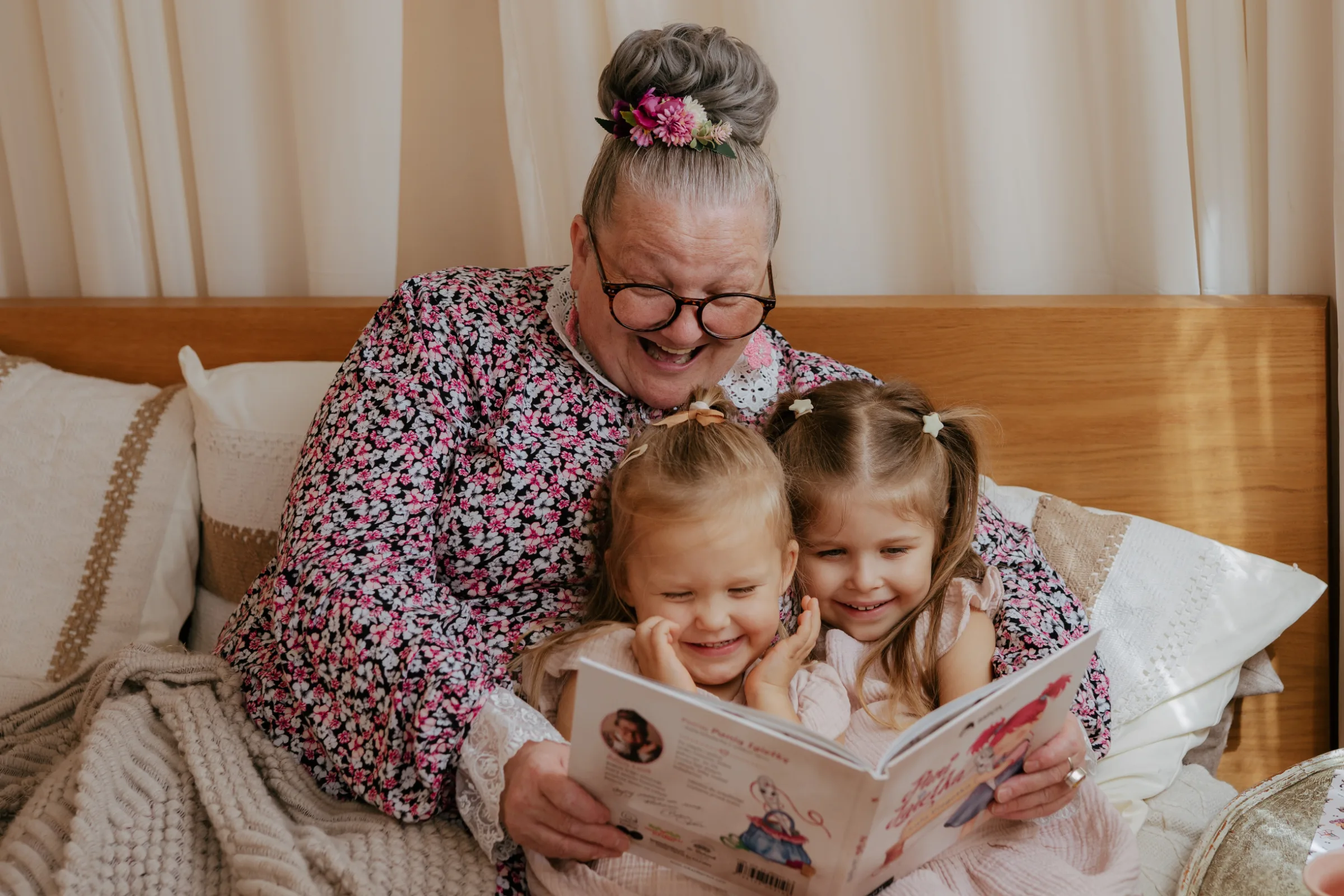
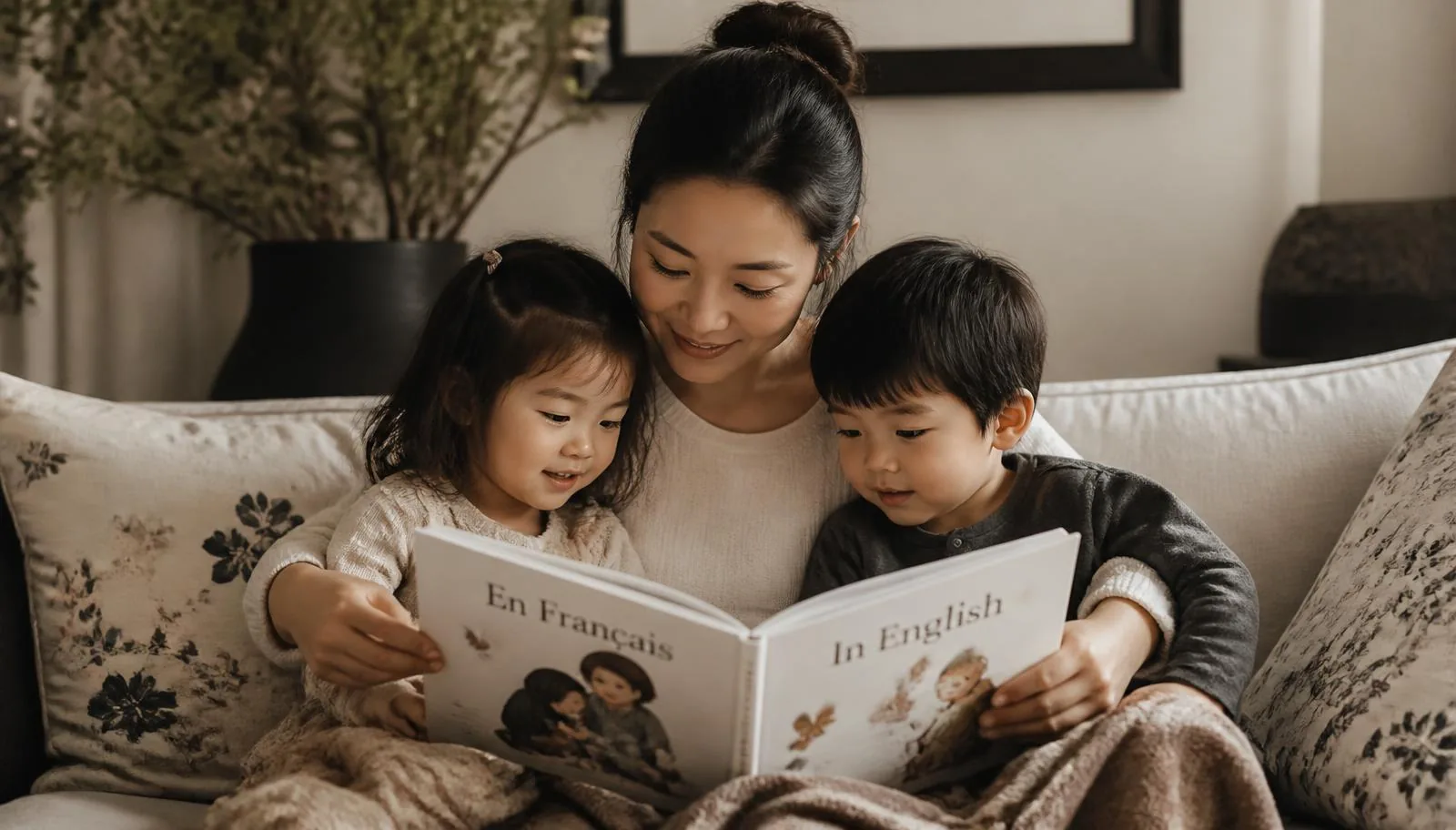
A Polish book read in the evening gives a child richer vocabulary than everyday household instructions. Emotion, metaphor and humour appear — and that is what builds real fluency.
If your child answers in English, don't correct them. Continue in Polish. Understanding always comes before speaking.
Ritual beats intensity
Fifteen minutes a day works better than an hour once a week. Give Polish its fixed places: the bedtime book, the call with grandma, the Saturday walk.
Bilingualism is not a task to tick off. It is a relationship — and that is how it grows best.